The quality of nickel-based superalloys begins at the melting stage. Two advanced melting technologies—Vacuum Induction Melting (VIM) and Electroslag Remelting (ESR)—form the backbone of premium alloy production. Understanding these processes is essential for engineers and procurement professionals who demand consistent material quality.
Vacuum Induction Melting (VIM): The Foundation
VIM is the primary melting process for high-performance superalloys. The process takes place in a sealed vacuum chamber, which offers several critical advantages over conventional air melting.
How VIM Works
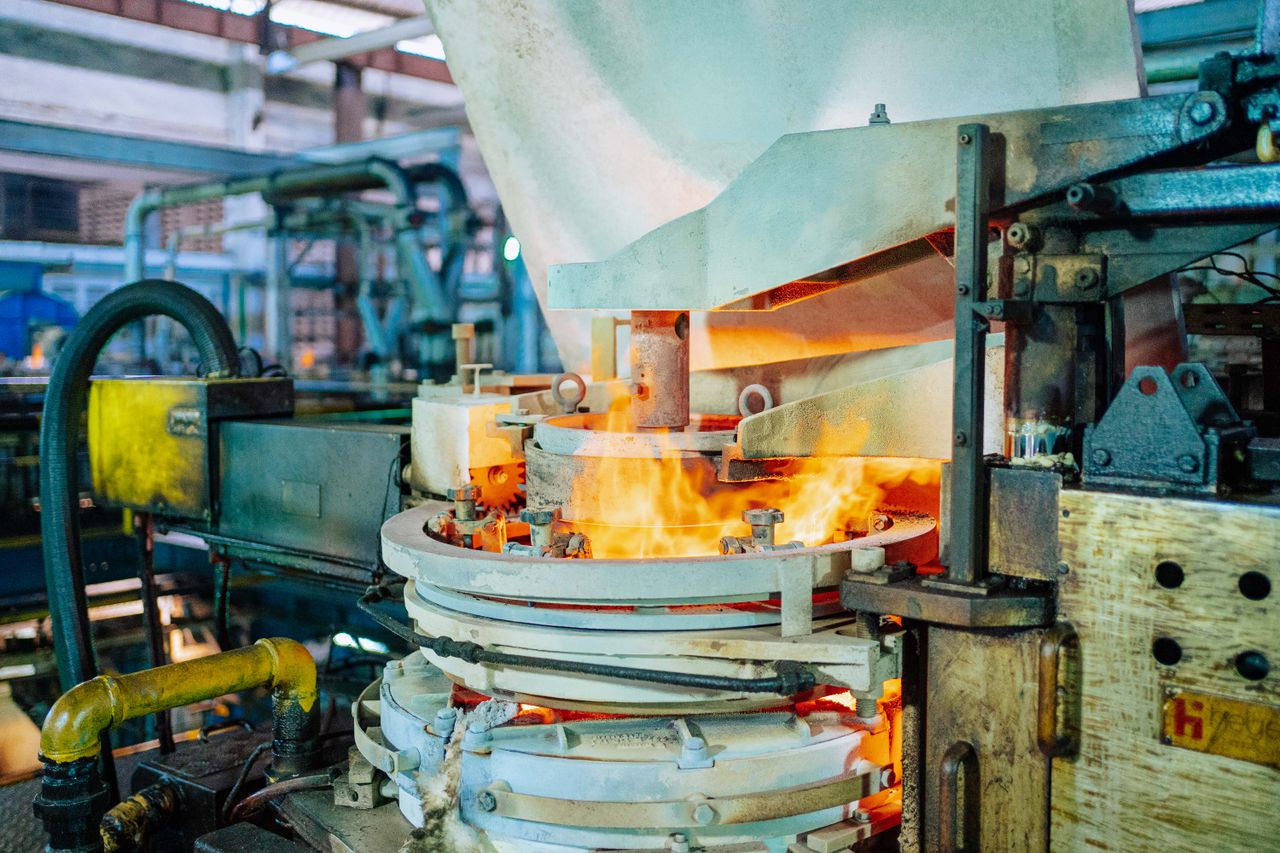
Raw materials—including nickel, chromium, molybdenum and other alloying elements—are charged into a crucible within the vacuum chamber. An induction coil generates electromagnetic fields that melt and stir the charge, ensuring thorough mixing of all elements. The vacuum atmosphere removes dissolved gases including oxygen, nitrogen, and hydrogen, resulting in cleaner, denser alloy with superior properties.
Key Benefits of VIM
- Ultra-low gas content: Oxygen and hydrogen levels are dramatically reduced, minimizing oxide inclusions
- Precise composition control: Tight chemistry tolerances (±0.10% for critical elements)
- Homogeneous mixing: Electromagnetic stirring ensures uniform element distribution
- Removal of volatile impurities: Lead, bismuth, and other tramp elements are eliminated
- Repeatable quality: Computer-controlled process ensures batch-to-batch consistency
Electroslag Remelting (ESR): The Refinement Stage
ESR is a secondary refining process that further purifies the VIM-produced ingot. The VIM electrode is remelted through a layer of molten slag, which acts as a chemical filter. As the metal droplets pass through the slag, non-metallic inclusions are removed, and the solidification structure is optimized.
How ESR Improves Alloy Quality
- Inclusion removal: The slag absorbs sulfide and oxide inclusions, producing exceptionally clean metal
- Directional solidification: Controlled solidification from bottom to top minimizes segregation
- Improved density: The ESR process produces a fully dense ingot with no internal porosity
- Uniform microstructure: Fine, equiaxed grain structure improves mechanical properties
- Enhanced fatigue life: Cleaner material with fewer inclusions delivers superior fatigue performance
Why VIM+ESR Matters for Critical Applications
Industries such as aerospace, oil & gas, chemical processing, and nuclear energy demand materials with the highest level of integrity. A component failure in these applications can have catastrophic consequences. The VIM+ESR process chain delivers the metallurgical quality these industries require.
At Baoya Alloy, our VIM furnace and ESR system enable us to produce superalloys that meet the most demanding international standards, including ASTM, AMS, and customer-specific specifications.
Quality Verification
Each VIM+ESR melt is accompanied by comprehensive testing:
- Chemical analysis via SPECTRO spectrometer for full element verification
- Mechanical testing including tensile, yield, and elongation at room and elevated temperatures
- Non-destructive testing including ultrasonic flaw detection
- Metallographic examination to verify grain structure and inclusion rating
Every shipment includes a Material Test Certificate (MTC) with full traceability from raw material through final inspection.
For technical discussions on melting specifications or custom alloy requirements, contact our team at chenguo@baoyaalloy.com.